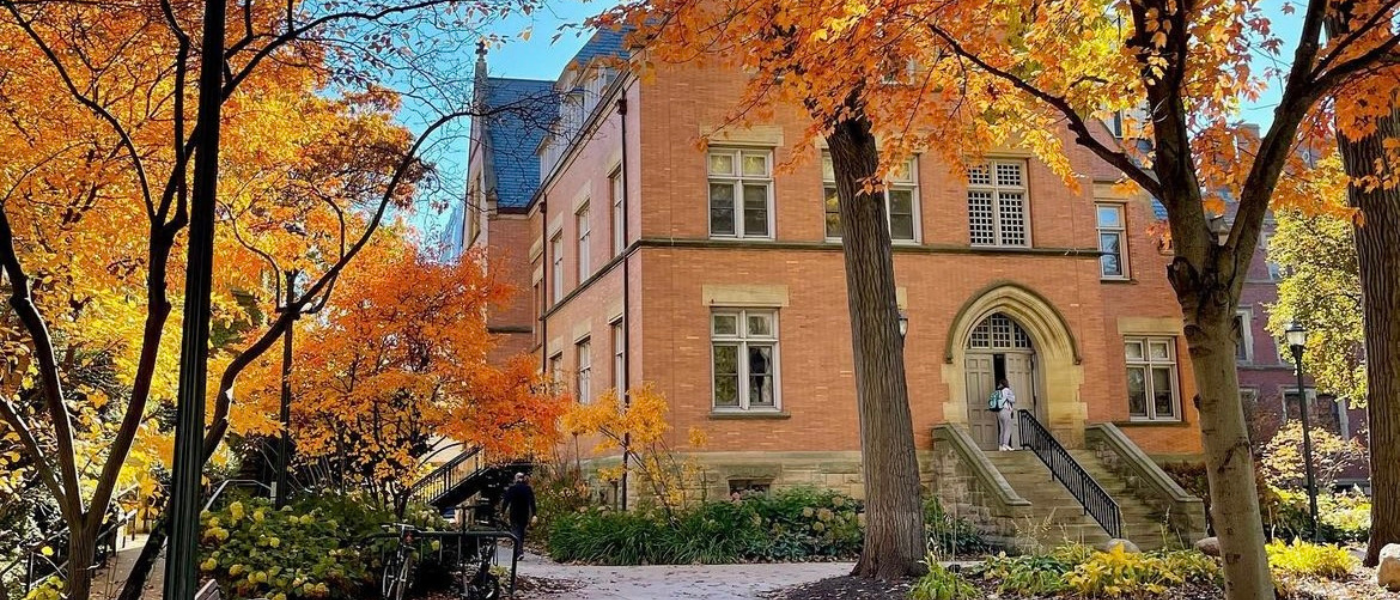


I never got around to taking chemistry, and I missed the prom. It was because I was in college when I could have been in 11th and 12th grades. I was a student at Bard College at Simon’s Rock, an early college program in Great Barrington, Mass.
I was a nerdy kid, and like the other students at the school, I was ready for college-level work. After I got my B.A. at 19, I was out and about doing internships, getting a master’s degree just for the heck of it, learning about stuff on my own — as in, growing and doing. The thought of my having had to wait until I was 21 or 22 to be in the world is bizarre to me. And frankly, I suspect that missing the prom was a gain, not a loss.
But a lot of that was rather middle class, upper middle, even. Simon’s Rock was expensive. But like many privileged kids’ parents, mine found the money to cover it.
What about people of less advantaged circumstances who might like to get started early on the fortified kind of education I got from Simon’s Rock but don’t have the money to pay for it?
Luckily, these days there are a lot of schools that offer this kind of opportunity to such kids. In New York City, for example, the Bard Early College branches in Manhattan and Queens are sterling examples. For 21 years, they have allowed kids to earn in their four years not just a high school diploma but also an associate degree, after which they can then enroll in college as juniors and get a B.A. And because the schools exist in partnership with the public school system, they are free. Call it an equalizing tool for teenagers from disadvantaged backgrounds.
The Bard schools have served as a model for what has been a kind of quiet explosion of similar programs nationwide: There are now about 400, with Bard having founded its own in Newark, Cleveland, New York’s Hudson Valley, New Orleans, Baltimore and Washington, D.C.
Crucially, these early college arrangements tend to have a strong social justice mission. For example, the Bard Early College programs focus on giving this opportunity to underprivileged kids by encouraging them to apply. In 2022, of the more than 3,000 students enrolled at eight sites, over half were the first in their families to go to college; almost half were Black, a vast increase from 2003, when their share was one in five. Also, the rigor of the curriculum is outstanding preparation for the last two years of college. Eighty-six percent of Bard Early College students go on to get B.A.s within six years, as opposed to a national average of 63 percent of college students who graduate.
In discussions about alternatives to the standard public school trajectory for disadvantaged kids, charter schools have tended to dominate. However, early college programs should play a larger role in those conversations, given the high rates at which their students graduate from college. For example, only 39 percent of students who attend the KIPP academies, a large network of charter schools, for middle and high school go on to finish college within five years. Also, early college students have to pay for only two years of college.
Early college programs targeting Black and brown kids, instructing them to do college-level work while in high school, are one way to compensate for the fact that racial preference policies in college admissions have been ruled unconstitutional. To the extent that that practice tended to benefit affluent over poorer Black and Latino applicants, early college programs’ focus on students of lesser means revises the classist imbalance inherent in the old system.
I’ve spoken at one New York City Bard Early College campus more than once, giving talks to students about language and linguistics and my writing career. When I visited, I noticed that books were everywhere; most faces were not white; there was no sense of regimentation; the teachers, who have B.A.s in the subject they teach, all seemed excellent; and classes were small.
The students readily asked me questions after my presentation and even kept me on my toes. And I got an overwhelming impression that the kids actually liked school. The whole business was like Proust’s madeleine: I was brought back to the Montessori and Quaker schools I attended when I first fell for learning, and the atmosphere was the same in many ways — quiet, welcoming, smart.
Except most of the faces at those schools were white. And my parents were often nearly broke from paying the freight.
The whole idea of a standard education consisting of four years of high school and then four years of college is arbitrary. Until after World War II, high school was considered an eminently respectable stopping point for all but a few. We would be hard pressed to say just why the norm now is that education proceed for four years beyond what any but about one in 20 expected or sought a hundred years ago. Maybe the modern world makes two years of education beyond high school useful. But why must as many people as possible go through four more years and complete, as it were, 16th grade? The early college idea, clearing away the cobwebs of mission creep, is genuinely progressive.
Thank you for being a subscriber
Read past editions of the newsletter here.
If you’re enjoying what you’re reading, please consider recommending it to others. They can sign up here. Browse all of our subscriber-only newsletters here.
Have feedback? Send me a note at McWhorter-newsletter@nytimes.com.
Credit to the Original Article | Explore More of Their Work If You Found This Article Enjoyable.
https://news.google.com/rss/articles/CBMiQmh0dHBzOi8vd3d3Lm55dGltZXMuY29tLzIwMjMvMTEvMjEvb3Bpbmlvbi9iYXJkLWVhcmx5LWNvbGxlZ2UuaHRtbNIBAA?oc=5&hl=en-US&gl=US&ceid=US:en