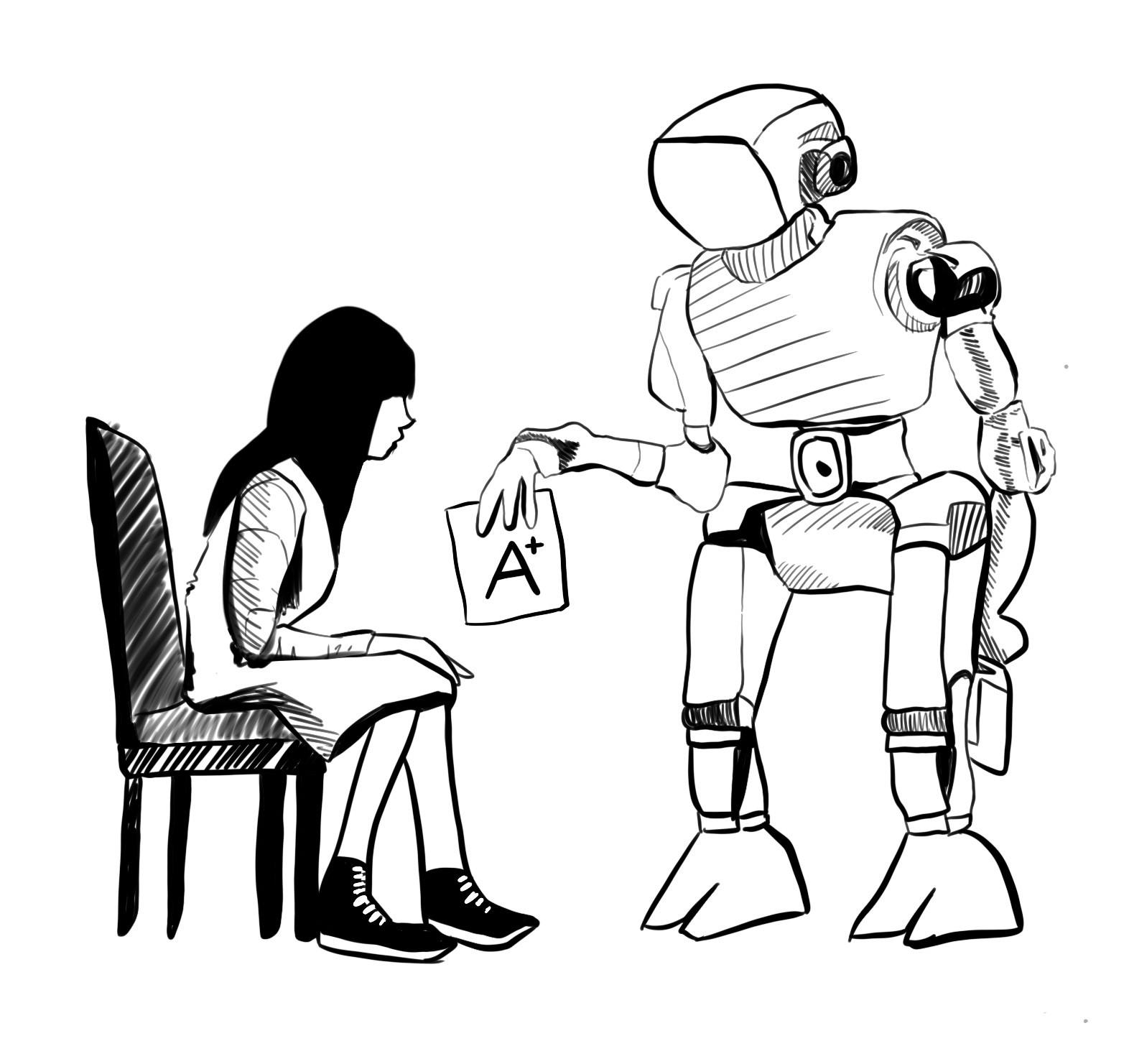


The integration of artificial intelligence (AI) into educational institutions has expanded tremendously, providing transformative possibilities alongside complex ethical questions. Modern research highlights the need to balance technological advancement with systems that prioritize digital literacy, privacy, and equity. From AI-driven teaching aids to systems that track academic integrity, technology is changing the educational scene and requiring rigorous ethical examination.
This blog covers key developments, ethical questions, and ways to encourage responsible use of artificial intelligence in education.
The Promise of AI in Education
By providing individualized learning experiences and operational efficiencies, artificial intelligence is changing educational techniques. Researchers at Seton Hall University have created the BIU Generative AI-Based Teaching Assistant, an artificial intelligence tool trained on course-specific content to offer immediate clarification for students who skip classes or find assignments difficult. This technology shows how artificial intelligence may provide customized support at scale, hence closing gaps in conventional schooling.
The cloud-based tool helps teachers understand engagement trends and possible abuse while guiding students in responsibly using artificial intelligence for academic writing. These tools demonstrate AI’s capacity to enhance both teaching efficacy and student outcomes.
Ethical Considerations in Educational AI
The use of artificial intelligence in education raises major questions about data gathering and monitoring. AI tools track changes, time spent on assignments, and student writing habits, generating reports accordingly. Although such information can help shape teaching approaches, mismanagement could endanger student privacy. To reduce these risks, institutions must use strong encryption and anonymization techniques.
One major concern is how artificial intelligence might increase inequality. Students without consistent internet access, for instance, could find it difficult to benefit from cloud-based resources. The emphasis on digital resilience tackles this problem by supporting inclusive training initiatives that benefit underprivileged areas. However, systemic obstacles require policy-level action to ensure fair access, including the high cost of AI infrastructure.
With its ability to quickly examine educational data, customize instructional strategies, and automate mundane tasks, artificial intelligence offers a revolutionary shift in digital pedagogy. This development calls for a profound reconsideration of the teacher’s role, which increasingly involves being a facilitator of learning rather than a simple source of knowledge. Furthermore, artificial intelligence shapes how students’ abilities are evaluated and creates opportunities for ongoing, student-centered learning. Without defined regulations and ongoing professional development, teachers risk becoming overly reliant on algorithms and neglecting the human values that should always be central to education. Digital pedagogy is a fluid and adaptive framework for 21st-century learning that combines technology with contemporary teaching techniques.
Yet, the adoption of artificial intelligence depends on teacher readiness. However, that is not the full picture; teachers need to be equipped with the technical and ethical skills required to use AI technologies in the classroom by providing courses on responsible AI and digital preparedness. Raising awareness of teacher training must go beyond the use of tools to address essential conversations about the social consequences of artificial intelligence.
Curriculum Design for Ethical Literacy
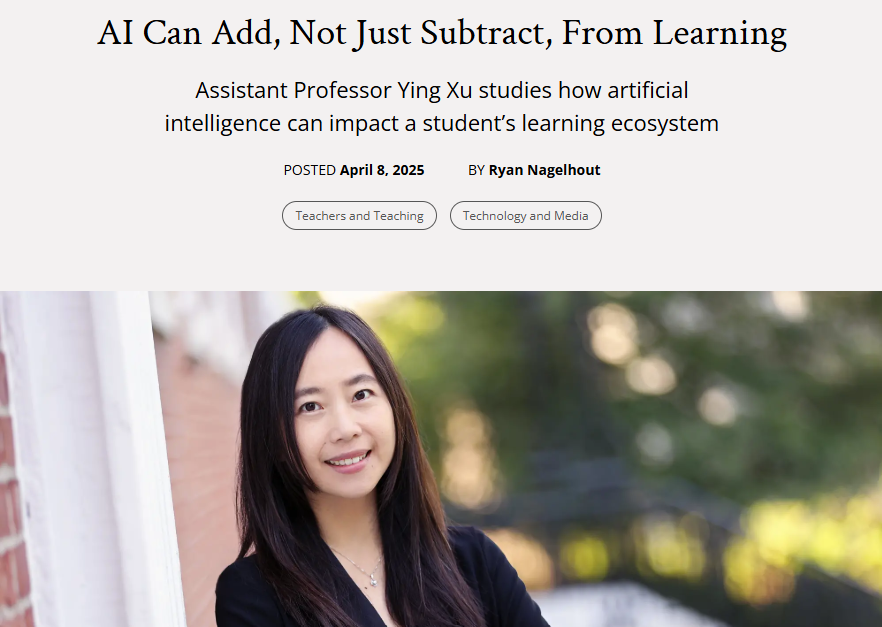
Globally, the impact of artificial intelligence on education has drawn significant study and development as educational technology firms, colleges, and governments invest in AI-based learning systems. By adapting to the needs of each student, AI systems can personalize education, which is especially relevant in subjects like mathematics where students may encounter specific challenges. Among the AI-driven tools are smart tutoring systems, adaptive learning environments, and mathematical problem solvers, which are showing promising results in improving students’ understanding of mathematical concepts.
Integrating ethical AI use into curricula is essential for nurturing responsible digital citizens. Such approaches align with broader calls for “ethical literacy,” which combines technical skills with moral reasoning. Universities can drive technological advancement by directing funds into multidisciplinary research—from healthcare AI to vital sustainability—thereby addressing societal needs. Partnerships with private companies further highlight the potential of public-private collaborations to scale AI solutions for educational purposes.
In the end, the issue is not whether artificial intelligence or human instructors are superior, but how they can cooperate to enhance education. While human teachers provide subject knowledge, experience, and the personal connection and support that students need to thrive, artificial intelligence offers automation, information access, and efficiency.
Integrating artificial intelligence into education requires a careful balance of technological possibilities and ethical values. The education industry can navigate the complexities of AI adoption and create systems that prioritize creativity and humanity by fostering conversation, supporting teacher development, and advocating for strong policies.
Read More
Artificial Intelligence Models: Balancing Benefits and Risks
AI-Generated Lies: Deepfakes, Hallucinations, and Misinformation
Credit to the Original Article | Explore More of Their Work If You Found This Article Enjoyable.
https://www.misbar.com/en/editorial/2025/04/10/balancing-innovation-and-ethics-ai-powered-educational-ecosystem